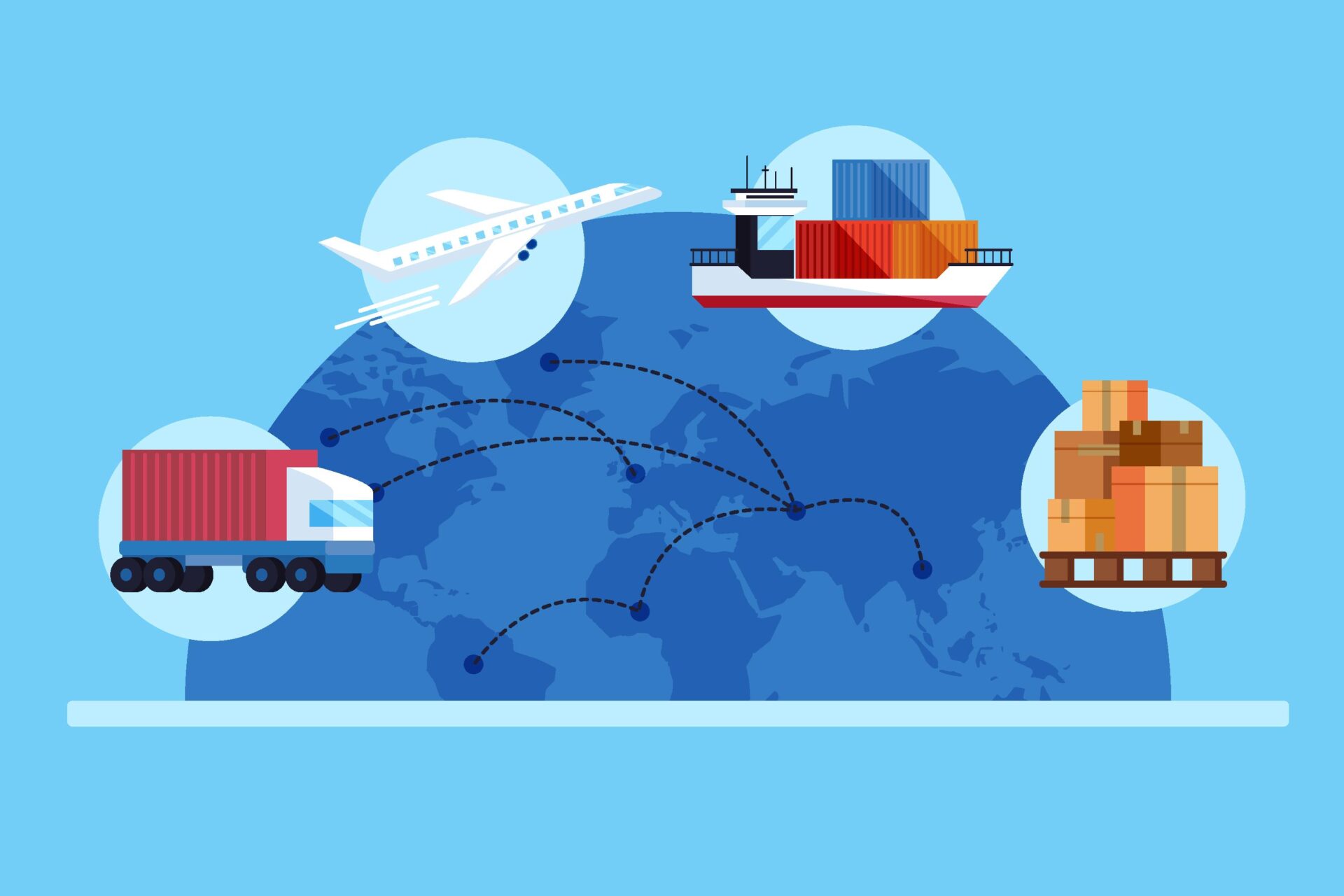
The import export business is one of the most profitable and globally scalable business models today. With the rise of cross-border eCommerce, global sourcing, and international trade agreements, starting an import and export business has become more accessible than ever.
However, success in this industry depends on proper training, compliance knowledge, and practical execution—not guesswork.
This guide will walk you through:
- What an import export business is
- How it works step by step
- Why professional import export training matters
- How to scale globally with confidence
What Is an Import Export Business?
An import export business involves buying products from one country (importing) and selling them in another (exporting). These products may include:
- Agricultural goods
- Consumer products
- Industrial equipment
- Raw materials
- Digital or licensed goods
The business operates across borders, currencies, regulations, and cultures—making knowledge and training essential.
Import and Export Business Explained Simply
Many beginners ask if there’s a difference between import export business and import and export business.
👉 There is no difference in meaning.
Both terms refer to the same international trade model and are used interchangeably in search engines and legal contexts.
How the Import Export Business Works (Step-by-Step)
1. Market Research
Identify:
- High-demand products
- Profitable trade routes
- Target countries and buyers
2. Business Registration & Licensing
You may need:
- Business registration
- Import Export Code (IEC)
- Tax registration
- Trade licenses
3. Supplier & Buyer Identification
Find:
- Verified exporters or manufacturers
- International buyers or distributors
4. Logistics & Shipping
Includes:
- Freight forwarding
- Customs clearance
- Incoterms
- Insurance
5. Payments & Risk Management
Use:
- Letters of Credit (LC)
- Secure payment gateways
- Trade finance solutions
Why Import Export Training Is Critical for Success
Many import export businesses fail not because of lack of demand, but due to lack of training.
Professional import export training programs help you:
- Avoid legal and compliance mistakes
- Understand customs, duties, and HS codes
- Negotiate international contracts
- Scale faster with proven systems
This is why industry-leading training programs have become the foundation for successful traders worldwide.
👉 Related reading:
Why the Best Import Export Training Program Leads the Industry
https://importexportfederation.com/why-the-best-import-export-training-program-leads-the-industry/
Benefits of Starting an Import Export Business
✔ Low manufacturing cost
✔ Global customer reach
✔ Scalable and location-independent
✔ High profit margins
✔ Government export incentives in many countries
Common Challenges (and How Training Solves Them)
| Challenge | Training Solution |
|---|---|
| Customs delays | Process & documentation mastery |
| Payment risks | Secure trade finance methods |
| Wrong product selection | Market research frameworks |
| Compliance errors | Legal & regulatory guidance |
Import Export Business in the Digital Era (GEO-Friendly)
Today’s import and export business is no longer limited by geography.
With:
- Online B2B marketplaces
- Digital documentation
- Global logistics networks
- Virtual trade shows
You can operate an international trade business from any country, making it truly GEO-friendly and future-proof.
Who Should Start an Import Export Business?
This business is ideal for:
- Entrepreneurs
- Manufacturers
- Business consultants
- eCommerce sellers
- Students seeking global careers
With proper training, even beginners can succeed.
Frequently Asked Questions (SEO + AEO Optimized)
What is the best way to start an import export business?
The best way is to combine professional import export training with real-world execution—starting with market research, licensing, and supplier validation.
Is import export business profitable?
Yes. The import export business can be highly profitable when managed correctly, especially with niche products and optimized logistics.
Do I need training for import and export business?
Absolutely. Training reduces risks, ensures compliance, and significantly increases success rates in international trade.
How much investment is required to start?
Investment depends on product type, country, and scale. Many start with low capital using sourcing and trading models.
Can I run an import export business from home?
Yes. With digital tools and proper training, you can manage operations remotely from anywhere in the world.
Final Thoughts: Build a Strong Foundation with Training
The import export business offers unlimited global opportunities—but only for those who approach it strategically.
By combining:
- The right training
- Legal compliance
- Market intelligence
You position yourself for long-term success in the import and export business.
👉 Next Step:
Explore why professional training programs are reshaping the future of global trade:
https://importexportfederation.com/why-the-best-import-export-training-program-leads-the-industry/
 6.87 Million+ Views
  58,000+ Members
  1,171+ Reviews